Why Sliding Doors Are So Popular in Modern Homes
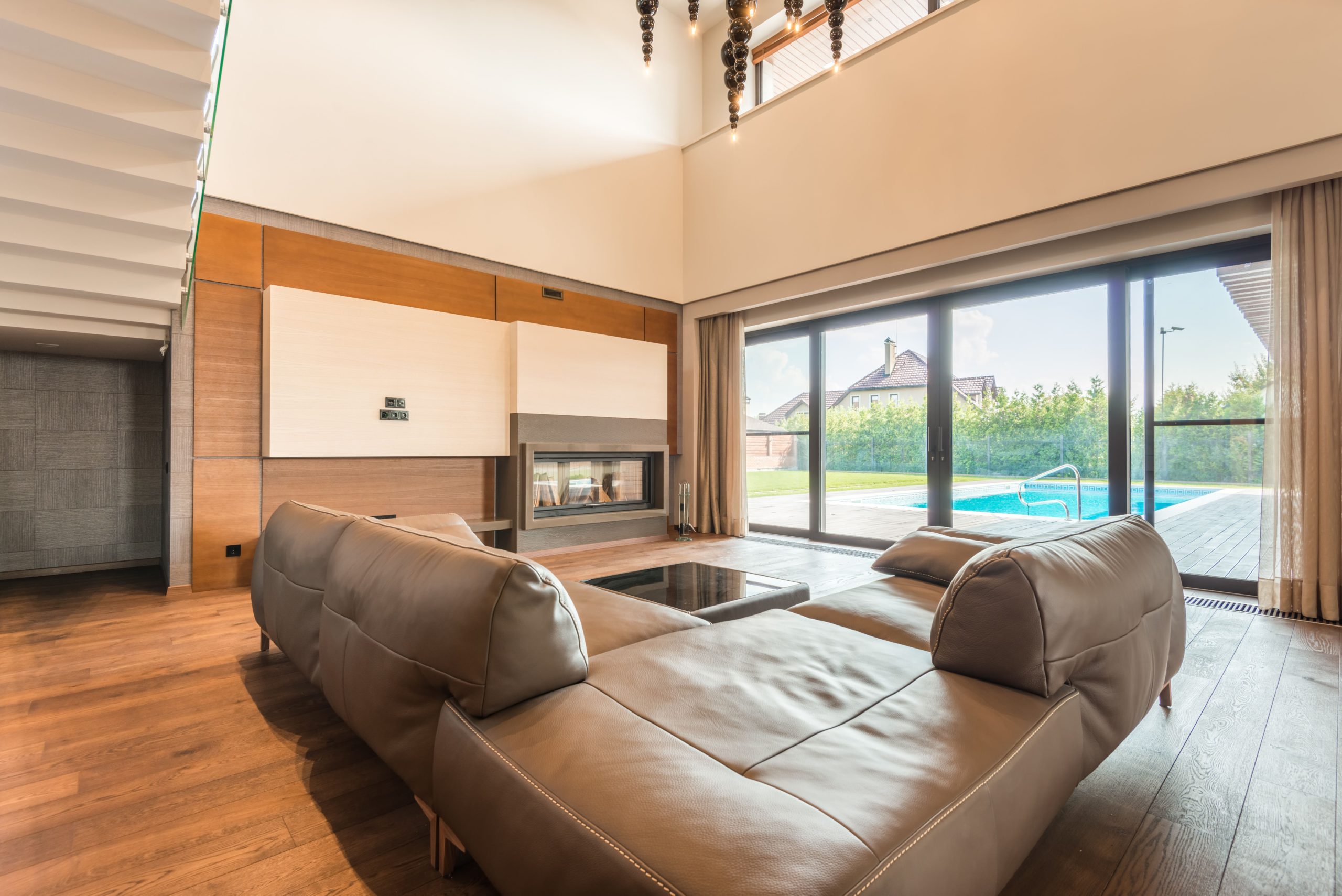
One of the main reasons interior sliding doors have become popular is their ability to make efficient use of available space. Unlike conventional hinged doors, sliding doors do not require a clear area for the door panel to swing open. Instead, they move horizontally along a track or into a cavity within the wall, making them particularly practical for bedrooms, wardrobes, ensuites, home offices and other areas where floor space is limited.
The availability of custom sliding doors also gives homeowners and designers greater flexibility when planning an interior. Doors can be manufactured in different dimensions, materials, finishes and configurations to suit unusual openings or particular architectural styles. Customisation can be especially useful in renovations where existing doorways may not correspond with standard door sizes.
Sliding Doors Can Save Space
A hinged door requires enough floor area for its full opening arc. Furniture and other objects generally need to remain outside this area to avoid interfering with the door.
Sliding systems remove this requirement. A surface-mounted door moves along the wall, while a cavity sliding door disappears inside the wall when opened. This can free up usable floor space and provide greater flexibility when arranging furniture.
The benefit can be particularly noticeable in compact rooms, hallways and apartments where every part of the floor plan matters.
They Can Create Flexible Rooms
Modern homes often need rooms to perform several functions. A dining area might occasionally become a workspace, while a larger living area may need to be divided into separate zones.
Wide sliding panels can provide a practical way to temporarily separate these spaces. The doors can remain open when a larger connected area is wanted and close when additional privacy or separation is required.
A Wide Range of Materials Is Available
Sliding doors are not limited to one particular appearance. Timber can create a warm and traditional look, while aluminium and glass can suit contemporary interiors.
Glazed doors are useful where maintaining natural light between rooms is important. Frosted or textured glass can provide additional privacy while still allowing some light to pass through.
Solid panels can provide greater visual separation between different areas of the home.
They Can Suit Large Openings
Sliding systems can also work well across openings that would be difficult to accommodate with a single conventional hinged door. Multiple panels may be used to create wider openings between living, dining and other areas.
This flexibility has made sliding systems useful for both compact rooms and larger architectural spaces.
Different Sliding Systems Are Available
Surface-mounted doors are installed on tracks positioned along the wall and can create a visible design feature. Cavity sliders are concealed within the wall when open, creating a more streamlined appearance.
Other systems can incorporate multiple panels or specialised track configurations. The appropriate option depends on the opening, available wall space and intended use.
Practical Considerations
Good-quality tracks, rollers and hardware are important for smooth operation. The system must also be suitable for the weight and dimensions of the selected door panel.
Tracks and rollers may require occasional cleaning and adjustment to maintain consistent movement. Cavity systems also require careful planning because electrical wiring, plumbing and other services can affect whether a wall can accommodate the door.
Sliding doors remain popular because they combine practical space management with considerable design flexibility. Whether used to improve a compact room, divide a larger living area or create a customised architectural feature, they provide homeowners with an alternative to traditional hinged doors that can suit a wide variety of modern interiors.


