Choosing the Right Materials for Outdoor Projects
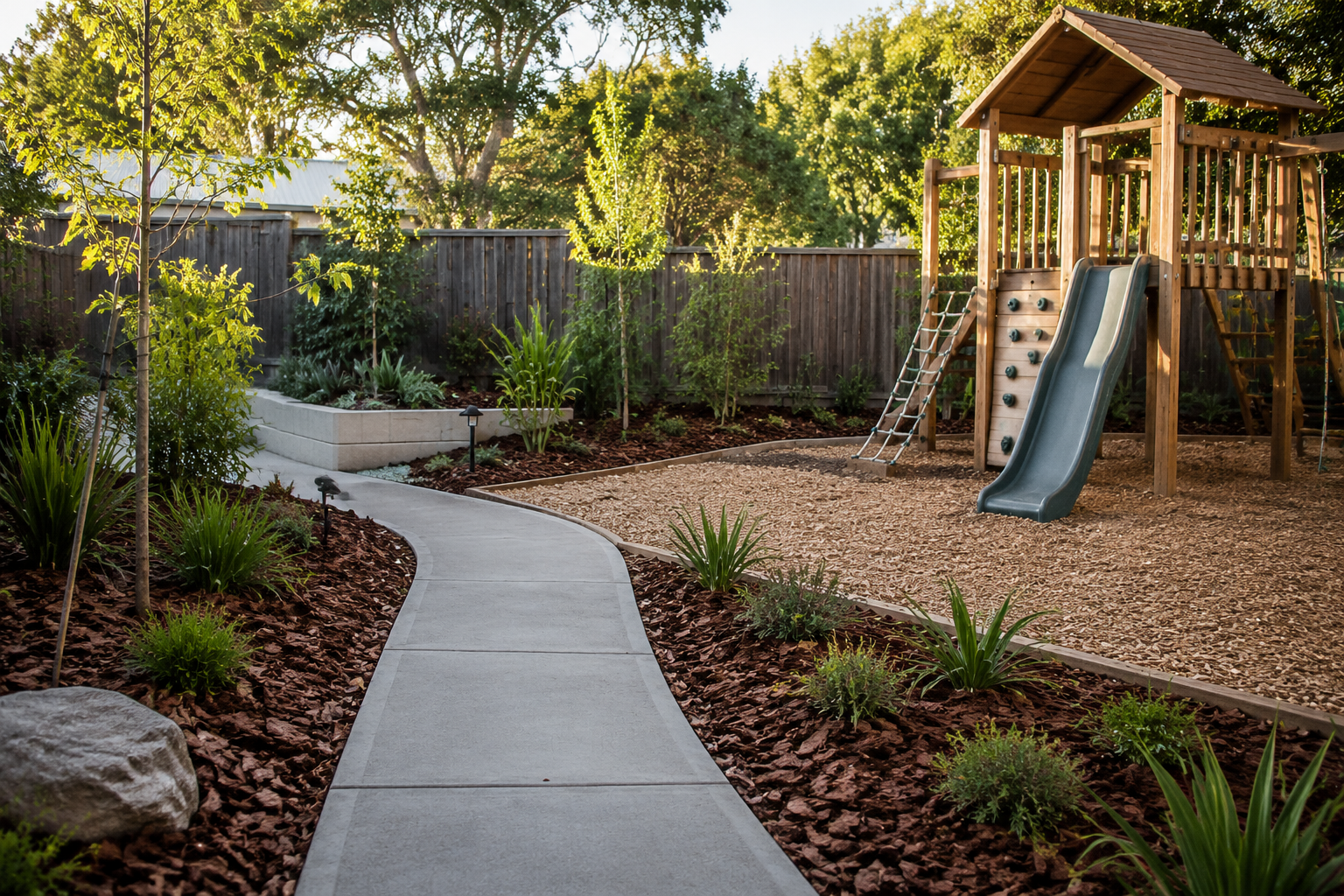
Successful outdoor improvements begin with materials suited to the scale, purpose and conditions of the project. For compact construction jobs, mini mix concrete can provide a practical quantity without requiring a large commercial delivery. Landscaping areas also benefit from products that support moisture retention and create a neat finish. A natural option such as Pine Bark can help protect garden beds while adding texture and colour. Safety and surface performance become especially important in spaces used by children. Purpose-made playground mulch can create a softer, more suitable ground covering around play equipment.
Match the Material to the Job
Choosing outdoor materials based on appearance alone can lead to unnecessary maintenance, poor performance or additional expense. Before placing an order, homeowners and landscapers should consider how the area will be used, how much exposure it receives and whether drainage, impact absorption or structural strength is required.
Construction materials should be selected according to the dimensions and load requirements of the project. A small garden path, letterbox footing or shed base will have different needs from a driveway or structural slab. Accurate measurements are particularly important because ordering too little can interrupt the work, while ordering too much creates waste and disposal problems.
Garden surfaces require a different assessment. Factors such as soil quality, plant type, local weather and the desired appearance will influence the most appropriate covering. A product that works well around established trees may not suit a vegetable patch or a heavily used pathway.
Recreational areas need even more careful planning. A surface beneath swings, climbing frames and other play equipment must be appropriate for active use. It should also be installed at a suitable depth and checked regularly for displacement, compaction and contamination.
Plan Small Concrete Projects Carefully
Small concreting projects can appear straightforward, but preparation has a major influence on the finished result. The site should be measured and marked before excavation begins. Any loose soil, roots or organic matter must be removed, and the base should be compacted to reduce the risk of movement.
Formwork must be secure enough to hold the wet material in place. The finished surface should also have an appropriate fall so rainwater drains away from buildings and does not collect in low points. For stepping areas, garden edging or equipment pads, the surrounding ground level should be considered before the pour begins.
Weather conditions can affect the installation process. Very hot days may cause rapid moisture loss, while heavy rain can damage an unfinished surface. Planning the delivery and preparation together helps ensure the material can be placed and finished without avoidable delays.
Protective equipment is also essential. Gloves, enclosed footwear, eye protection and suitable clothing can reduce contact with wet cement and prevent common site injuries. Even a modest home project should be approached with the same attention to preparation and safety as a larger job.
Improve Garden Beds with Mulching
A well-applied organic covering offers several benefits beyond appearance. It helps limit direct sunlight reaching the soil, which can slow moisture loss and reduce temperature fluctuations around plant roots. It may also suppress some weed growth by making it harder for seeds to receive the light needed for germination.
Before installation, existing weeds should be removed and the soil watered if it is dry. The material can then be spread evenly while leaving space around trunks, stems and the bases of plants. Piling it directly against living plant tissue can trap excess moisture and contribute to rot or pest problems.
Depth matters as well. A layer that is too thin may provide limited moisture protection, while an excessively deep layer can restrict airflow and prevent water from reaching the soil effectively. Gardeners should check the surface periodically and redistribute areas disturbed by wind, birds or maintenance work.
As organic products gradually break down, they can contribute material to the soil. However, decomposition also means the layer will need to be refreshed over time. Routine checks make it easier to maintain a consistent appearance without adding more material than the garden requires.
Create Safer Areas Around Play Equipment
The ground surface is a critical part of any outdoor play area. Hard or compacted ground may increase the risk of injury when children fall, particularly beneath elevated equipment. A suitable loose-fill surface can provide cushioning, but it must be installed and maintained correctly to remain effective.
The area should extend beyond the immediate footprint of the equipment because children may jump, swing or fall away from the structure. Installation depth should reflect the equipment height, anticipated use and relevant safety guidance. Borders can help contain loose material, although they should not create a new trip hazard.
Regular maintenance is necessary because active play can push surface material away from high-use zones. Areas beneath swings, slides and climbing points often need more frequent levelling and topping up. Foreign objects, animal waste and sharp debris should also be removed promptly.
Drainage should be considered during the initial design. Waterlogged surfaces can become compacted, unhygienic and difficult to use. Preparing the base properly and preventing runoff from flowing into the area will support better long-term performance.
Order Quantities with Less Waste
Accurate calculations help control costs and reduce excess material. For rectangular areas, volume can generally be estimated by multiplying length, width and required depth. Measurements should use consistent units, and irregular spaces may need to be divided into smaller sections before the totals are combined.
A modest allowance for settlement, spillage or uneven ground can be useful, but unnecessary over-ordering should be avoided. Suppliers can often help confirm quantities when given clear measurements and details about the intended application.
Delivery access should also be checked in advance. Gates, overhead branches, parked vehicles, soft ground and narrow driveways may affect where materials can be placed. Choosing a practical unloading point can reduce manual handling and prevent damage to lawns or paved surfaces.
Thoughtful material selection makes outdoor work more manageable and improves the likelihood of a durable result. By assessing the site, calculating quantities and following appropriate installation methods, homeowners can create functional spaces with less waste and fewer avoidable repairs.


