Choosing Doors for Home Renovations
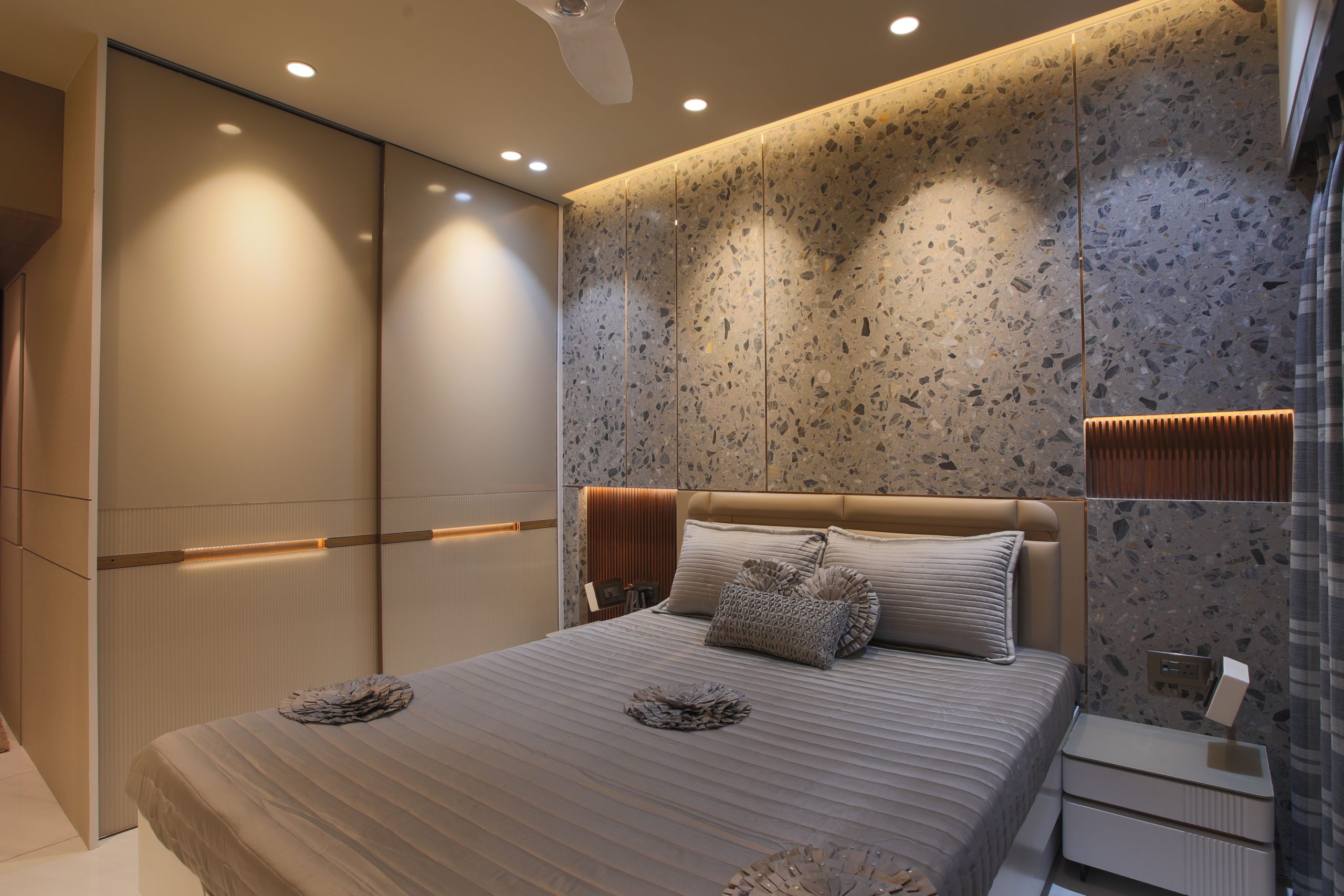
Selecting the right doors is an important part of any home renovation, as they influence both the appearance and functionality of a space. Modern homeowners often choose internal pivot doors to create a striking architectural feature while improving movement between rooms. Unlike traditional hinged doors, pivot doors rotate on a central pivot point, allowing for wider openings and a contemporary look that works well in living areas, home offices, and master suites.
Another increasingly popular choice is floor to ceiling sliding doors, which maximise natural light and create a seamless connection between indoor and outdoor spaces. Their full-height design makes rooms feel larger while providing easy access to patios, balconies, and gardens. They are also an excellent option for open-plan homes where uninterrupted views and a sense of spaciousness are desired.
Traditional hinged doors remain one of the most common options in residential properties. They are available in a wide range of materials, finishes, and styles, making them suitable for bedrooms, bathrooms, laundries, and utility rooms. Their simple operation and versatility make them a practical solution for almost any area of the home.
Sliding doors are another space-saving alternative that works particularly well where floor space is limited. Because they move horizontally rather than swinging open, they are ideal for wardrobes, ensuites, pantries, and compact living spaces. Sliding doors can be manufactured from timber, glass, aluminium, or composite materials to suit different interior styles.
French doors continue to be popular in renovations that aim to maximise natural light while maintaining a classic appearance. Featuring large glass panels, French doors are commonly used to connect living rooms with outdoor entertaining areas or to separate internal spaces without blocking light. Their elegant design suits both traditional and contemporary homes.
Bi-fold doors provide flexibility by folding neatly to one side, allowing wide openings between indoor and outdoor areas. They are frequently installed between kitchens, dining rooms, patios, and alfresco spaces, making them particularly useful for entertaining. When fully opened, bi-fold doors create a seamless transition between the home and the garden.
Barn doors have become a popular feature in modern and farmhouse-inspired interiors. Mounted on exposed tracks, they slide along the wall rather than into it, making them suitable for bedrooms, studies, laundries, and walk-in wardrobes. Barn doors also add character and can become a decorative focal point within a room.
Pocket doors are another practical solution where saving space is important. Similar to cavity sliding systems, pocket doors disappear into the wall when opened, allowing furniture to be positioned closer to the doorway without obstruction. They are commonly used in bathrooms, ensuites, and compact apartments.
Glass doors offer excellent opportunities to increase natural light throughout the home. Frosted or textured glass can provide privacy while still allowing light to pass between rooms, making them well suited to home offices, bathrooms, and internal living areas.
When selecting doors for a renovation, homeowners should consider durability, maintenance requirements, insulation, privacy, and how each door complements the overall design of the property. The right material and style can significantly improve both functionality and visual appeal.
Ultimately, choosing the appropriate door for each area of the home helps create spaces that are practical, comfortable, and visually cohesive. With a wide variety of designs available, modern renovations can successfully balance aesthetics, efficient use of space, and everyday convenience.


